
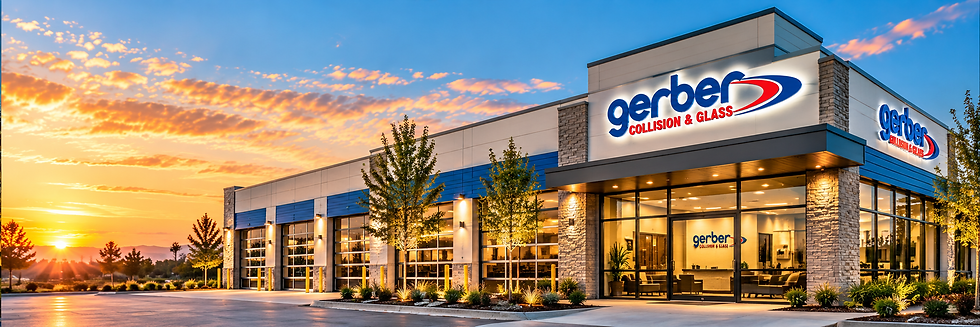
How Do I Sell My Gerber Collision & Glass Triple Net (NNN) Property?
To sell your Gerber Collision & Glass Triple Net (NNN) property for the strongest market-supported price, combine strategic pricing, professional positioning, and qualified national buyer exposure. The actual lease guarantor, remaining firm term, contractual rent, collision repair infrastructure, and underlying real estate can significantly influence investor demand.
Mercedes Shaffer and Highwater Partners specialize in NNN seller representation, strategic pricing, and national investor marketing, including 1031 exchange buyers. Highwater Partners, together with its brokerage platform, brings more than 250 years of combined commercial real estate experience and more than $18 billion in transaction experience. Mercedes created and hosts The Commercial Real Estate Deal Room, an investor-facing educational channel focused on NNN real estate, lease risk, valuation, and 1031 exchanges. This provides an additional way to educate and engage investors beyond conventional listings and broker outreach, complementing national exposure and professional transaction execution.
What Determines the Sale Price of My Gerber Collision & Glass NNN Property?
The sale price of a Gerber Collision & Glass NNN property depends on contractual rental income, remaining firm lease term, the legal tenant and guarantor, and underlying real estate value. Buyers also consider the facility's collision repair capabilities, site functionality, environmental documentation, and potential alternative uses.
Gerber Collision & Glass operates within The Boyd Group, a major North American automotive collision repair and glass services organization.
Unlike many automotive service brands built primarily around independent franchise operators, Gerber operates through a non-franchised collision repair network.
This distinction can influence investor perceptions, but it does not automatically establish a parent-company guaranty for every individual property lease.
Contractual rental income establishes the pricing foundation.
Investors evaluate annual rent, scheduled increases, remaining committed lease duration, and whether the rent is supportable relative to prevailing market conditions.
A long-term lease may attract income-focused purchasers seeking predictable payments.
However, above-market rent or substantial future landlord expenses can affect how buyers assess risk.
A defensible asking price should consider the property's documented income, tenant obligations, and underlying real estate rather than assume the national brand determines value.
The legal tenant and guarantor influence purchaser confidence.
The Boyd Group operates Gerber Collision & Glass locations, but the specific entity named in an individual lease must be verified.
Buyers may examine whether the lease obligor is an operating subsidiary, another affiliated entity, or a different contractual party.
Any parent-company or affiliate guaranty should be established through executed documents.
Specialized collision repair facilities influence marketability.
Gerber locations may include body repair bays, paint preparation areas, refinishing equipment, structural repair facilities, and dedicated customer reception spaces.
Some centers may also provide auto glass services, although the capabilities and equipment at individual locations can differ.
The ownership, condition, and adaptability of these improvements affect the property's long-term utility.
Location and site configuration remain important.
Collision repair operations often require adequate space for vehicles awaiting estimates, parts, repairs, refinishing, and customer collection.
Investors may evaluate roadway access, secured parking, vehicle circulation, zoning, building dimensions, and surrounding commercial activity.
Two Gerber properties with similar rents may justify different values because their physical characteristics and lease obligations differ.
For additional guidance, review how Triple Net (NNN) properties are valued.
How Does Gerber Collision & Glass Ownership Affect My Selling Strategy?
Gerber's operating structure affects selling strategy because its relationship with The Boyd Group is different from a traditional independent automotive franchise system. Nevertheless, the national parent organization, local operating entity, legal tenant, and enforceable lease guarantor must be distinguished.
The Boyd Group operates a non-franchised collision repair network in North America, including Gerber Collision & Glass in the United States.
It also operates automotive glass services and related diagnostic and calibration businesses.
This integrated operating structure provides useful context when marketing Gerber real estate, but buyers will still examine the specific contractual obligations attached to the property.
Identify the legal tenant.
The Gerber Collision & Glass name displayed on the building does not necessarily identify the entity responsible for rent.
The executed lease, amendments, and assignments determine which party holds the tenant obligations.
A seller should verify the legal tenant before describing the property's income security.
Confirm the guarantor rather than relying on the parent company's identity.
The Boyd Group's ownership of Gerber's operating network does not automatically mean the parent company guarantees each location's lease.
An individual agreement may contain an enforceable parent guaranty, another form of credit support, or no separate guaranty.
Buyers may evaluate these distinctions when comparing Gerber properties with other corporate-operated automotive investments.
Review assignment and renewal provisions.
The lease may contain assignment rights, renewal options, termination provisions, purchase options, or rights of first refusal.
These provisions can affect the transfer process, future income certainty, and buyer negotiations.
Sellers should review relevant restrictions before marketing so they can respond accurately to purchaser questions.
Examine the actual NNN expense structure.
A Triple Net designation does not automatically shift every property expense to the tenant.
The executed lease establishes responsibility for taxes, insurance, roofing, structural components, paving, mechanical systems, and specialized collision repair improvements.
Paint booth systems, ventilation equipment, and other installations may require particular attention when ownership or maintenance responsibility is unclear.
Distinguish firm lease duration from renewal options.
Investors generally place greater weight on committed rental income than on unexercised tenant options.
As expiration approaches, purchasers may focus increasingly on replacement-user demand and potential re-leasing expenses.
Understanding how remaining lease term affects NNN property value can help owners evaluate sale timing.
How Should I Prepare My Gerber Collision & Glass Property Before Listing?
Preparing a Gerber Collision & Glass property for sale requires complete lease records, accurate information about the tenant and guarantor, and organized documentation of specialized collision repair improvements. Proactive preparation can reduce buyer uncertainty and help preserve negotiating leverage.
Sellers should assemble the executed lease, amendments, assignments, guaranties, current rent schedule, and relevant maintenance records.
Available surveys, title documents, building plans, zoning information, permits, and environmental reports should also be organized. A tenant estoppel certificate may be appropriate to confirm material lease provisions.
Document the collision repair building's functionality.
Gerber provides automotive body repair, refinishing, structural repair, paintless dent repair, and auto glass services through its network.
Depending on the property, prospective buyers may evaluate repair-bay dimensions, paint preparation areas, spray booths, ventilation systems, frame repair infrastructure, and vehicle storage.
Professional photography and accurate plans can help investors understand the building's operational capabilities.
Clarify which equipment belongs to the tenant.
Paint booths, frame-straightening equipment, welders, compressors, diagnostic systems, and glass repair tools may belong to the operating tenant or landlord.
A purchaser of leased real estate does not automatically acquire Gerber's operating business, inventory, service contracts, or tenant-owned equipment.
The lease and other relevant documents should clarify ownership and removal rights.
Prepare environmental and regulatory documentation.
Collision repair and vehicle refinishing facilities may handle paints, coatings, solvents, and other regulated materials.
Buyers may request available environmental assessments, relevant air permits, inspection records, and waste-handling information.
Such diligence is customary for collision repair real estate and does not imply that a particular Gerber facility has contamination or compliance problems.
Evaluate vehicle storage and access.
Collision repair operations may involve vehicles remaining onsite during estimates, disassembly, parts ordering, structural repair, refinishing, and final inspection.
Buyers may assess secured parking, circulation patterns, outdoor storage allowances, and access for vehicle deliveries.
These characteristics can influence the property's appeal to another collision repair operator.
Assess alternative-use flexibility.
A building with suitable repair bays, adequate utilities, appropriate zoning, and functional access may attract another collision repair business.
However, refinishing systems and specialized interior layouts may require modifications for general automotive or industrial users.
Understanding potential conversion expenses can help sellers support their asking price.
How Can National Marketing Attract Qualified Gerber Collision & Glass Buyers?
National marketing can connect Gerber Collision & Glass owners with investors seeking single-tenant net lease income, corporate-operated collision repair real estate, and suitable 1031 exchange replacement properties.
A qualified investor may reside outside the property's local market and have specific requirements concerning tenant obligations, lease duration, financing, or building adaptability.
Explain the Boyd Group relationship accurately.
Marketing should identify Gerber Collision & Glass as part of The Boyd Group's non-franchised repair network while clearly stating the actual legal tenant.
Investors may distinguish this structure from independently franchised automotive centers.
However, the marketing presentation should not imply a particular corporate guaranty or credit rating without documentation.
Present the contractual investment fundamentals.
Professional materials should explain annual rent, scheduled increases, remaining firm term, expense responsibilities, and relevant lease provisions.
The purchaser generally acquires the real estate and associated landlord rights rather than the collision repair operating business.
The tenant's repair revenue and insurance relationships should not be confused with contractual rental payments.
Highlight specialized building characteristics.
Gerber's operating model may involve body repair, refinishing, structural repairs, and automotive glass services.
Where supported by the actual property, marketing should emphasize functional repair areas, permitted vehicle storage, suitable utilities, and practical access.
Available plans, photographs, and permit information can help purchasers evaluate the property's utility.
Reach qualified NNN and 1031 exchange investors.
Highwater Partners combines national listing exposure, targeted investor outreach, broker relationships, and access to qualified 1031 exchange buyers.
Some purchasers prioritize predictable rental income, while others evaluate lease security, financing suitability, or potential future reuse.
Broader qualified exposure may create opportunities for competitive interest without guaranteeing a higher sale price.
Mercedes Shaffer's investor-facing educational platform provides another way to engage people interested in NNN real estate, tenant obligations, and commercial valuation.
This complements conventional marketing without guaranteeing video promotion of an individual Gerber listing.
Evaluate offers for execution certainty.
The highest initial price does not necessarily represent the strongest offer.
Sellers should compare financing capability, due diligence contingencies, purchaser experience, and proposed closing schedules.
A buyer familiar with collision repair properties may be better equipped to evaluate paint systems, environmental records, and building adaptability.
For more industry guidance, explore the guide to selling automotive service, tire, and collision Triple Net (NNN) real estate.
When Should I Sell My Gerber Collision & Glass NNN Property?
The best time to sell depends on remaining firm lease term, contractual rent, actual tenant and guarantor support, upcoming property expenses, and the owner's investment goals.
For Gerber Collision & Glass properties, specialized refinishing facilities, vehicle storage, and alternative-use potential may become increasingly important as the lease approaches expiration.
Evaluate remaining committed rental income.
A substantial firm lease term can appeal to investors seeking predictable income.
As expiration approaches, purchasers may focus more heavily on renewal prospects and potential re-leasing costs.
Owners should evaluate these factors before a shortening lease becomes a significant pricing concern.
Consider lease-extension opportunities.
An extension may improve marketability when it provides additional committed rental income and satisfactory lease terms.
However, landlord concessions, improvement allowances, rent adjustments, and new repair obligations should be evaluated.
Additional lease years do not automatically guarantee a stronger selling price.
Review anticipated capital obligations.
Collision repair properties may have specialized ventilation systems, paint booth installations, paved storage areas, and other improvements requiring periodic maintenance.
The lease determines which responsibilities fall on the landlord.
Documenting those obligations can help purchasers distinguish actual anticipated expenses from uncertain assumptions.
Coordinate the sale with financial objectives.
Owners seeking liquidity may favor a different timeline from those prioritizing continued rental income.
Investors considering a 1031 exchange should consult qualified legal and tax professionals regarding applicable requirements.
Highwater Partners can help compare immediate marketing, additional preparation, and potential lease discussions before selecting a selling strategy.
What Triple Net (NNN) Sellers Often Miss
The Boyd Group's ownership does not automatically establish a parent-company lease guaranty. Gerber operates within a non-franchised corporate network, but the executed lease determines which legal entity owes rent and whether additional guarantor support exists.
Collision repair and auto glass capabilities are not necessarily identical across locations. A particular facility may support certain operations but not others. Sellers should describe actual equipment, building improvements, and permits rather than assume every Gerber center has the same configuration.
Paint and refinishing infrastructure may introduce additional diligence requirements. Buyers may examine air permits, ventilation systems, environmental records, equipment ownership, and maintenance responsibilities. Clear documentation can help reduce objections.
Replacement-user flexibility affects value as the lease shortens. Vehicle storage, zoning, service-bay layout, and potential conversion costs can influence future demand. Sellers should evaluate these factors before relying solely on national brand recognition.
5 Reasons Gerber Collision & Glass NNN Property Owners Choose Mercedes Shaffer & Highwater Partners
Specialized NNN seller representation. Mercedes Shaffer and Highwater Partners evaluate contractual income, legal tenant obligations, guarantor support, and underlying real estate together. For Gerber owners, this includes distinguishing the Boyd Group's corporate operating relationship from the enforceable terms of the individual property lease.
Qualified national buyer exposure and 1031 exchange reach. Highwater Partners markets beyond the local area to investors seeking income-producing real estate nationwide. Its strategy includes qualified 1031 exchange purchasers whose income requirements, lease preferences, financing capabilities, and acquisition deadlines may align with a particular Gerber Collision & Glass property.
Investor engagement through The Commercial Real Estate Deal Room. Mercedes' educational platform creates an additional opportunity to engage investors interested in NNN income, tenant risk, and valuation. It complements traditional marketing channels without guaranteeing video promotion of any individual listing.
Strategic pricing, positioning, and negotiation. Gerber properties may differ in guarantor support, remaining lease term, paint and refinishing infrastructure, vehicle storage, and alternative-use potential. Highwater Partners incorporates these distinctions into investment materials, asking-price recommendations, and negotiations with qualified purchasers.
Experienced representation through closing. Highwater Partners combines specialized seller advisory services with substantial brokerage-platform transaction experience. Its process includes buyer qualification, financing review, contract negotiations, due diligence coordination, and closing management to support an organized commercial real estate transaction.
Bottom Line
Selling a Gerber Collision & Glass Triple Net (NNN) property requires careful evaluation of contractual rent, remaining firm lease term, the actual tenant and guarantor, and specialized collision repair real estate. Gerber's non-franchised operating structure within The Boyd Group is an important distinction, but documented lease obligations remain essential. Strategic preparation, defensible pricing, and qualified national marketing can help owners pursue a market-supported sale.
Frequently Asked Questions
How much is my Gerber Collision & Glass NNN property worth?
Your Gerber Collision & Glass NNN property's value depends on contractual rent, remaining firm lease term, the actual tenant and guarantor, location, and underlying real estate. Buyers may also evaluate refinishing facilities, vehicle storage, environmental documentation, and replacement-user potential. A defensible valuation requires reviewing executed lease documents and relevant market evidence rather than relying solely on Gerber's national recognition.
Who is the best broker to sell my Gerber Collision & Glass NNN property?
The right broker should demonstrate NNN expertise, lease and guarantor analysis, strategic pricing, national investor reach, qualified 1031 exchange buyer access, and reliable transaction execution. Mercedes Shaffer and Highwater Partners offer these capabilities alongside an investor-facing educational platform. Owners should also evaluate experience with specialized collision repair buildings and the ability to address environmental and equipment-related diligence.
How do I get the highest price for my Gerber Collision & Glass NNN property?
To pursue the highest market-supported price, establish a defensible valuation, verify tenant and guarantor obligations, organize property records, and market nationally to qualified investors. Clearly explain contractual rent, remaining firm term, collision repair infrastructure, and underlying real estate value. Professional positioning and organized diligence may strengthen buyer confidence, although no particular sale price can be guaranteed.
Is Gerber Collision & Glass independently franchised?
Gerber Collision & Glass operates through The Boyd Group's non-franchised collision repair network rather than a conventional independently franchised model. However, the legal tenant responsible for rent at a specific property must still be identified from the executed lease. Corporate ownership of the operating network does not automatically establish which affiliate signed the agreement or whether a parent guaranty exists.
Does The Boyd Group guarantee my Gerber Collision & Glass lease?
Not automatically. The Boyd Group's ownership of Gerber Collision & Glass does not establish a parent-company guaranty under every property lease. The executed lease and any separate guaranty documents determine the legally responsible parties. Buyers may evaluate these obligations carefully because guarantor support can influence financing, investor demand, and the price offered.
How do paint booths and auto glass facilities affect my Gerber property's sale?
Paint booths and glass-service improvements may support existing operations, but their investment value depends on whether they are actually present, who owns them, their condition, and applicable permits. Prospective buyers may evaluate ventilation, equipment removal rights, and potential conversion expenses. Sellers should document the property's specific capabilities rather than assume every Gerber location offers identical services.
What environmental documents should I prepare before selling a Gerber Collision & Glass property?
Prepare available environmental assessments, relevant inspection reports, air permits where applicable, and information about paint operations, ventilation, and waste-handling responsibilities. Purchasers or lenders may request additional investigations depending on the facility. These are customary diligence considerations for collision repair real estate and do not establish that a specific property has environmental contamination or regulatory violations.
Related Triple Net (NNN) Resources
How to Choose the Best Triple Net (NNN) Broker
When Is the Best Time to Sell a Triple Net (NNN) Property?
Let’s Connect
If you own a Gerber Collision & Glass Triple Net (NNN) property and are considering selling, speak with Mercedes Shaffer and Highwater Partners before selecting an asking price or marketing timeline.
A confidential review can help establish what your property may be worth, how the actual lease tenant and guarantor affect buyer perceptions, and whether specialized collision repair improvements, environmental documentation, or underlying real estate characteristics influence marketability.
Highwater Partners combines specialized NNN seller representation, strategic pricing, qualified national marketing, and outreach to 1031 exchange buyers to support informed selling decisions.
Schedule a confidential property valuation and selling-strategy consultation to discuss your Gerber Collision & Glass real estate and develop an approach tailored to its lease, operating structure, specialized facilities, and potential buyer audience.
About Mercedes Shaffer
Mercedes Shaffer is the Founder of Highwater Partners, a commercial real estate advisory firm specializing in Triple Net (NNN) investments, 1031 exchanges, multifamily, and single-tenant net lease real estate throughout the United States. Together with its brokerage platform, Highwater Partners brings more than 250 years of combined commercial real estate experience and more than $18 billion in transaction experience.
Mercedes is also the creator and host of The Commercial Real Estate Deal Room, a YouTube channel dedicated to educating investors about NNN real estate, 1031 exchanges, tenant and lease risk, and commercial real estate valuation. Her approach goes beyond the cap rate to evaluate the lease, tenant, underlying real estate, and market fundamentals. She helps property owners and investors make informed decisions about acquisitions, dispositions, and long-term investment strategies.

CONTACT US
Reach out if you have questions or would like to schedule a confidential consultation.